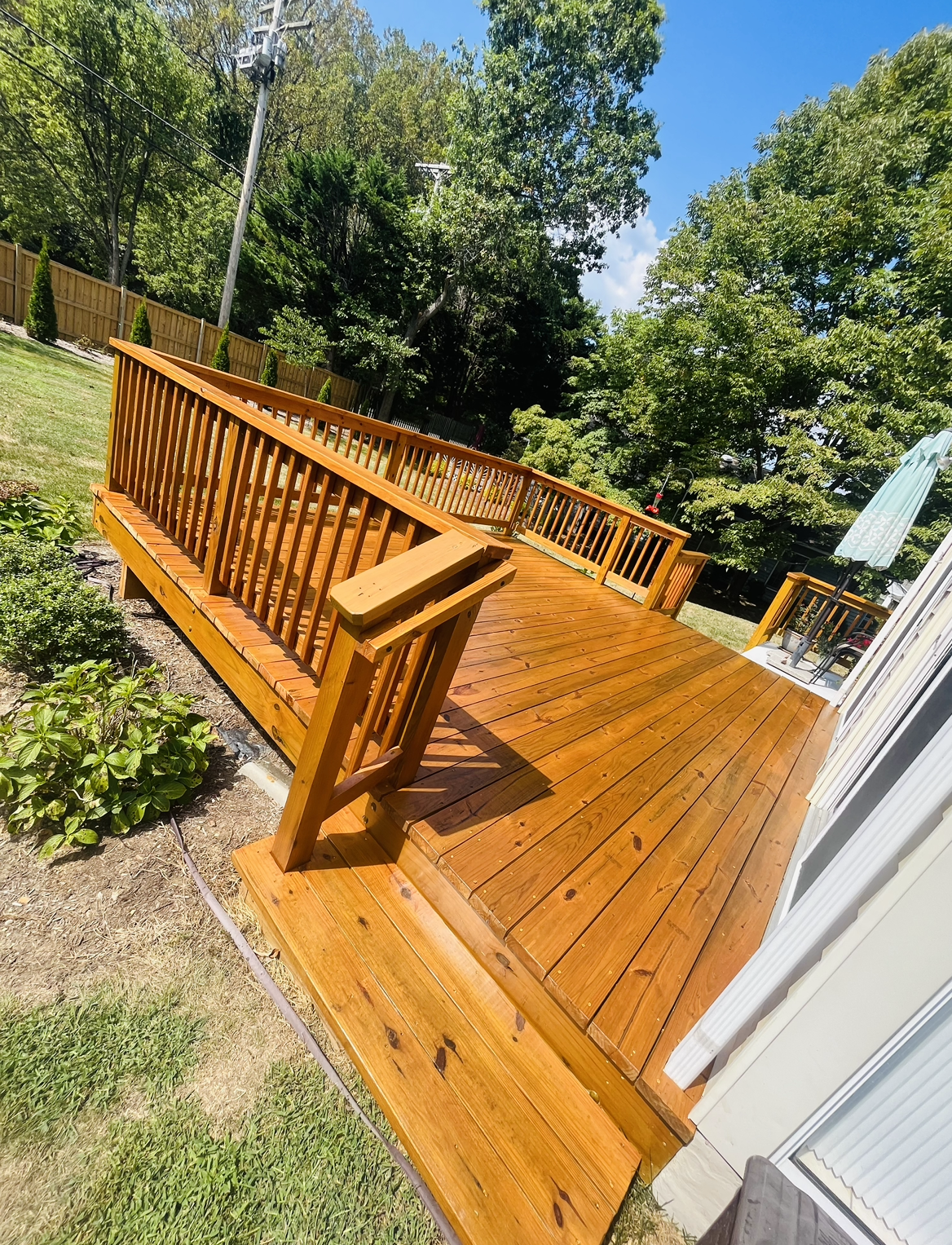

Why Most Backyards Look Good but Don’t Feel Right—and How to Fix I
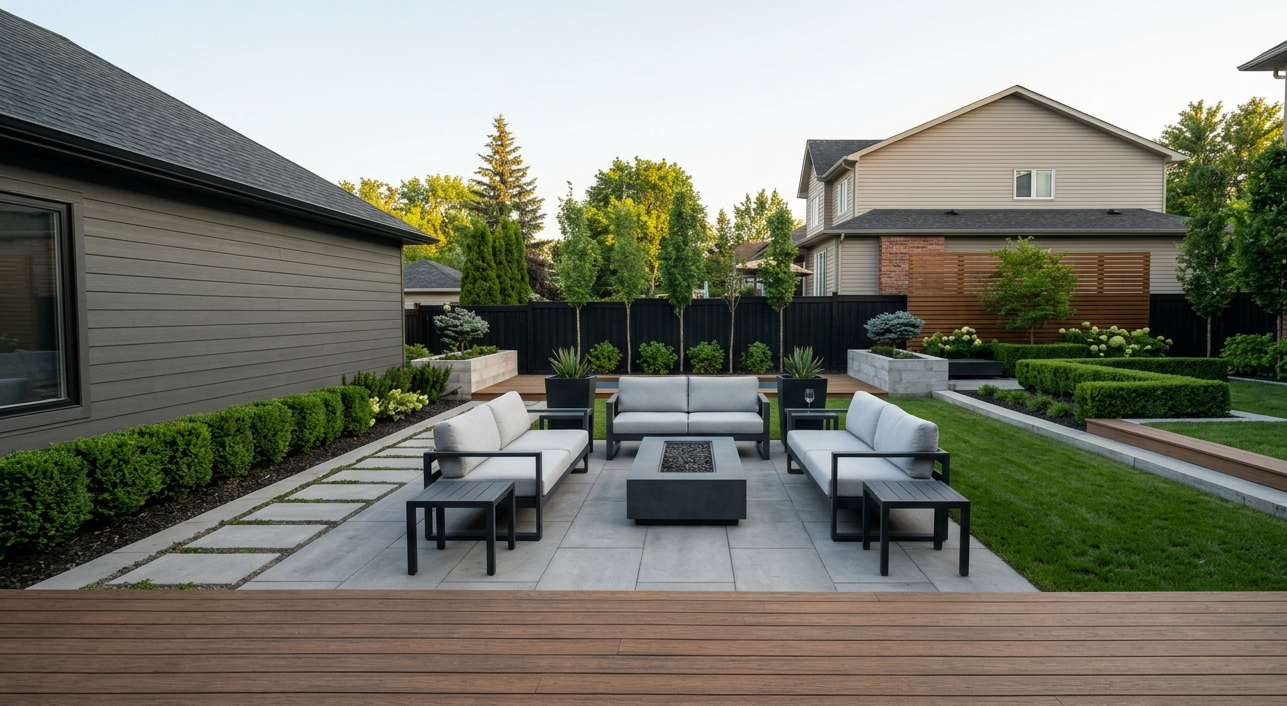
You’ve probably seen it before—a backyard that looks beautiful in photos but somehow doesn’t feel comfortable in real life.
Maybe it’s your own space.
You invested in a deck, added a fire pit, chose stylish furniture… but something still feels off. You don’t spend as much time there as you expected, and it doesn’t quite deliver that relaxing, inviting atmosphere you imagined.
The truth is, most outdoor spaces fail for one simple reason: they are designed for looks, not for living.
Understanding this mistake can completely change how you approach your backyard—and help you create a space you truly enjoy.
The Real Problem: Designing Without Purpose
The biggest mistake homeowners make is starting with aesthetics instead of functionality.
They focus on:
- Colors
- Materials
- Trends
- Pinterest inspiration
But they skip the most important question:
How will I actually use this space?
Without a clear purpose, even the most expensive backyard can feel awkward and underused.
Why “Good-Looking” Spaces Often Fail
A backyard can look stunning and still feel uncomfortable.
Here’s why:
No flow between areas
Furniture may be placed without considering movement or interaction.
Lack of usability
Spaces are not designed for real activities like dining, relaxing, or entertaining.
Overcrowding or emptiness
Too many elements—or too few—can make the space feel unbalanced.
Design is not just visual. It’s experiential.
How to Design With Purpose
Creating a functional outdoor space starts with clarity.
Step 1: Define how you want to live outside
Ask yourself:
- Do I want to host guests?
- Relax after work?
- Spend time with family?
Step 2: Create zones based on those needs
For example:
- Dining area
- Lounge area
- Fire pit gathering space
Step 3: Connect the zones naturally
Use pathways, lighting, or layout to guide movement.
When each area has a purpose, the entire backyard feels intentional.
The Role of Comfort in Outdoor Design
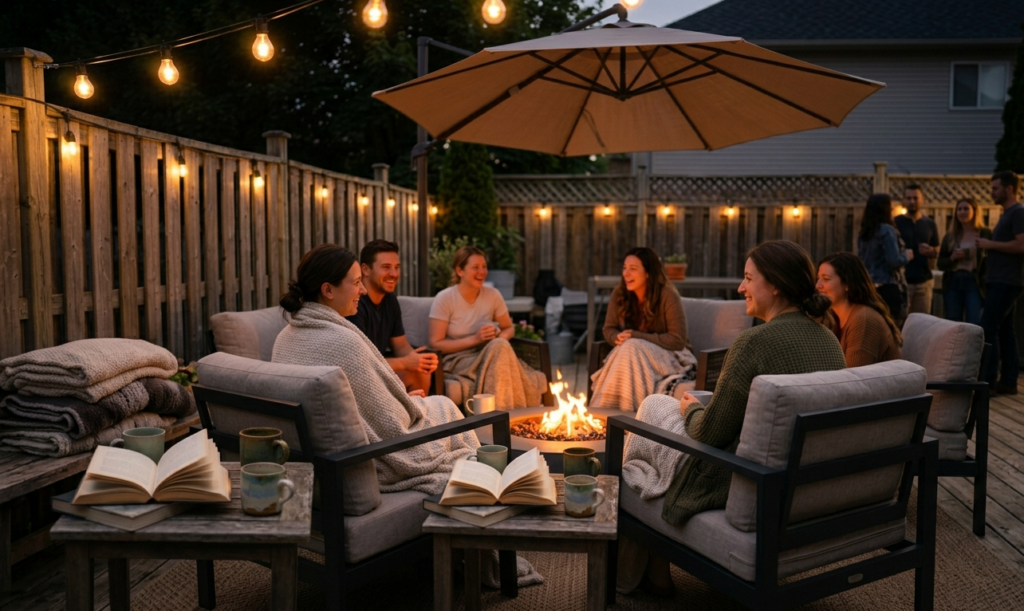
A beautiful space means nothing if it’s not comfortable.
Focus on:
- Ergonomic seating
- Shade and weather protection
- Proper spacing between furniture
Comfort is what turns a space into a place you actually use.
Small Changes That Make a Big Difference
You don’t need a full renovation to fix your backyard.
Simple upgrades can transform the experience:
- Reposition furniture to improve flow
- Add lighting to create ambiance
- Introduce plants for warmth and privacy
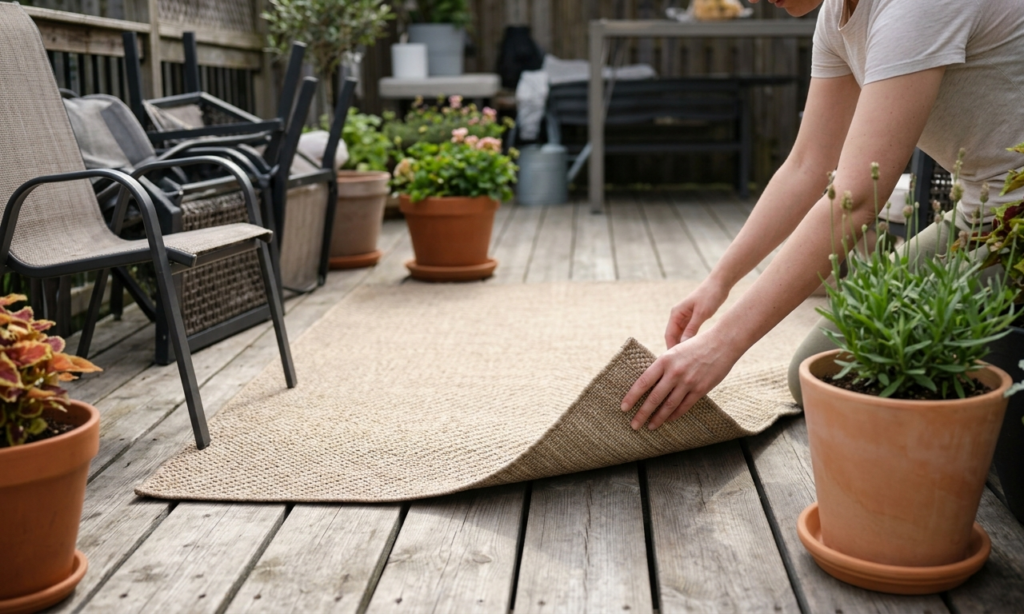
- Define spaces with rugs or layout changes
Often, it’s not about adding more—it’s about arranging better.
Conclusion
The difference between a backyard that looks good and one that feels amazing comes down to one thing: purpose.
When you design your outdoor space around how you actually live, everything changes.
It becomes more comfortable. More functional. More inviting.
And most importantly—it becomes a space you truly enjoy.